
BRC IoP Certification: Why It Matters for Food Packaging
What is BRC Packaging certification, why is it important, and how does it affect food industry supply processes? The AA, A, B, C, D grading and the audit process explained.
What is BRC Packaging (IoP)?
The BRC Global Standard for Packaging Materials is an international standard developed for manufacturers of food-contact packaging materials.
It was created by the UK-based British Retail Consortium.
It is one of the standards recognised by GFSI (Global Food Safety Initiative).
Why BRC Matters
- Trusted supplier status in the global food supply chain
- Retailer acceptance worldwide
- A systematic risk management and traceability framework
Why is BRC Certification Required?
1. Demands of Global Food Brands
Major food manufacturers such as Nestlé, Ferrero, Mondelez, Kerry Group and PepsiCo require GFSI-recognised certification from their suppliers.
BRC is the most widely accepted standard meeting these requirements.
2. Retailer Requirements
Major retail chains require a GFSI-recognised certificate for their private label products.
3. Risk Reduction
A BRC certified manufacturer:
- Minimises the risk of contamination
- Reduces the likelihood of product recalls
- Ensures legal compliance
4. Export Advantage
BRC certification is a major advantage when exporting food packaging to the EU, the USA and other developed markets.
BRC Grading System
Under BRCGS Packaging Materials (Issue 7), a successful audit is certificated with a grade of AA, A, B, C or D, depending on the number and type of non-conformities found.
When the audit is unannounced, a plus sign is added to the grade: AA+, A+, B+ and so on.
| Grade | Critical | Major | Minor | Audit frequency |
|---|---|---|---|---|
| AA | 0 | 0 | 5 or fewer | 12 months |
| A | 0 | 0 | 6 – 10 | 12 months |
| B | 0 | 0 | 11 – 16 | 12 months |
| B | 0 | 1 | 10 or fewer | 12 months |
| C | 0 | 0 | 17 – 24 | 6 months |
| C | 0 | 1 | 11 – 16 | 6 months |
| C | 0 | 2 | 10 or fewer | 6 months (revisit required) |
| D | 0 | 0 | 25 – 30 | 6 months (revisit required) |
| D | 0 | 1 | 17 – 24 | 6 months (revisit required) |
| D | 0 | 2 | 11 – 16 | 6 months (revisit required) |
No certificate is granted when there is one or more critical non-conformity; three or more major non-conformities; 31 or more minor non-conformities; 1 major together with 25 or more minor; or 2 major together with 17 or more minor.
AA is the highest grade: no critical or major non-conformities and no more than 5 minor ones.
Source: BRCGS Global Standard Packaging Materials, Issue 7, Table 1.
BRC Standard Requirements (Summary)
1. Senior Management Commitment
- Quality policy and objectives
- Organisational structure
- Allocation of responsibilities
2. Hazard and Risk Management System
- HACCP principles
- Risk assessment
- Critical control points
3. Quality Management System
- Document control
- Record management
- Supplier assessment
4. Site Standards
- Hygiene requirements
- Pest control
- Maintenance procedures
- Waste management
5. Product Control
- Raw material acceptance
- Process control
- Finished product tests
- Traceability
6. Process Control
- Production standards
- Calibration
- Cleaning and hygiene
The BRC Audit Process
Before the Audit
- Application and contract
- Setting the audit date (announced or unannounced)
- Preparing the documentation
On the Audit Day
- Opening meeting
- Site tour and observation
- Document review
- Staff interviews
- Closing meeting
After the Audit
- Reporting of non-conformities
- Corrective action plan (where required)
- Issue of the certificate
- Listing in the BRCGS Directory
Why BRC Matters for the Food Industry
Confidence in the Supply Chain
A BRC certified supplier reduces the food manufacturer’s own audit burden. The certificate creates a chain of trust in the supply chain.
Preventing Contamination
In food-contact packaging such as big bags, the risk of contamination is critical:
- Microbiological contamination
- Chemical migration
- Foreign bodies
- Allergen contamination
BRC standards manage these risks systematically.
Traceability
Through its lot number, the production history, raw material source and quality control records of every big bag can be traced. If a problem arises, a rapid retrospective analysis is possible.
What Should Buyers Check?
When selecting a BRC certified packaging supplier:
Verifying the Certificate
- Check the validity of the certificate in the BRCGS Directory
- Confirm that the scope includes the product type you are buying
- Look at the grade (AA is the highest)
Audit History
- Consistent grades over the years
- No critical findings
- Evidence of continuous improvement
Karaca Ambalaj’s BRC Certification
Karaca Ambalaj holds BRC IoP Grade AA+ certification:
Certificate Details
- Grade: AA+ (the highest)
- Scope: Manufacture of food-contact big bags (FIBC)
- Validity: Continuous, renewed annually
Standards Applied at Our Facility
- 5,000 m² enclosed, dust-controlled environment
- Metal detector and vacuuming
- Lot-based traceability
- Regular microbiological testing
- Dedicated food-grade production line
Approved by Global Brands
We have successfully passed facility audits by global food brands including Kerry Group, Nestlé, Ferrero, British Sugar, Mondelez, Pladis and Intersnack.
Conclusion
In sourcing big bags for the food industry, BRC IoP certification:
- Is proof of a reliable supplier
- Minimises the risk of contamination
- Opens access to global markets
- Improves supply chain efficiency
For your food-grade FIBC requirements, see our BRC AA+ certified facility.
Frequently Asked Questions
FAQ on This Topic
What is BRC IoP certification?
What does BRC grade AA mean?
Can food packaging be sold without BRC certification?
How often are BRC audits carried out?
What is the difference between BRC and ISO 22000?
Related Industry Solution
Explore SolutionsRelated Articles
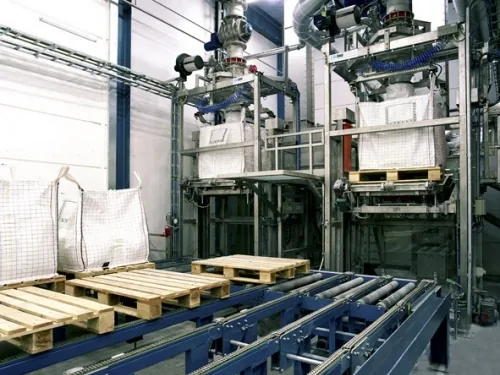
Choosing Big Bags for Food Manufacturers: 7 Points to Check
What should you check when choosing big bags for food ingredients? Food-contact legislation, migration limits, declaration of compliance, BRC certification, liners and questions for your supplier.
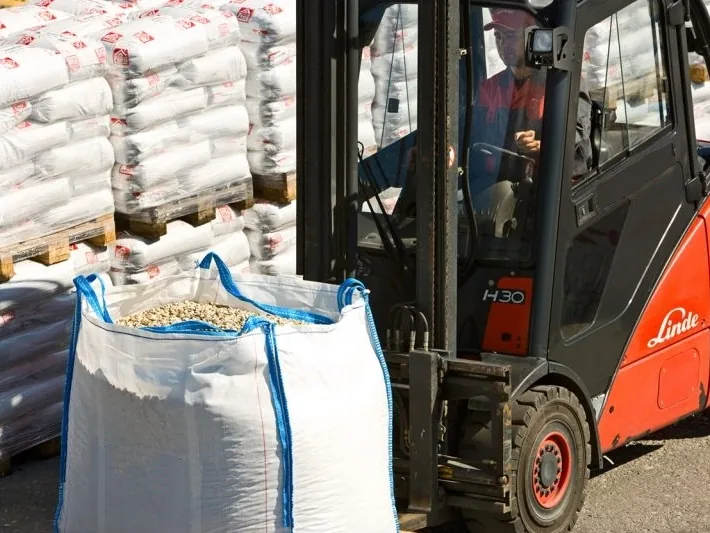
PPWR and FIBC Big Bags: What the EU Packaging Regulation Means for Bulk Bag Buyers
The EU Packaging and Packaging Waste Regulation (PPWR) has applied since 12 August 2026. Which documents should you request from your big bag supplier? Heavy metal and PFAS limits, declaration of conformity, 2030 targets.

Food-Grade FIBC: The EU Declaration of Compliance Explained
What is the declaration of compliance requested with food-grade big bags? What (EC) 1935/2004 and (EU) 10/2011 require, what the declaration must contain and how migration tests are carried out.